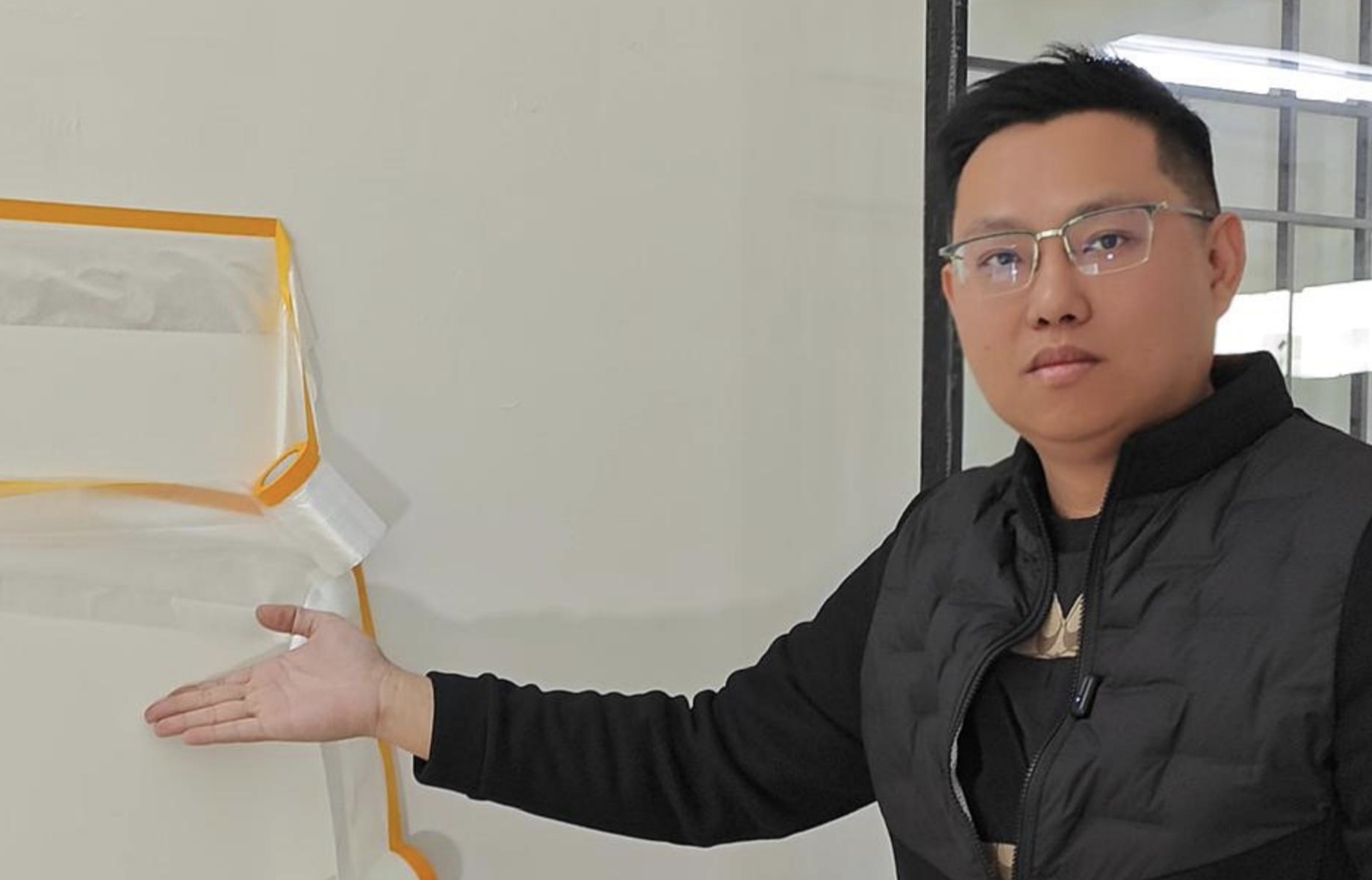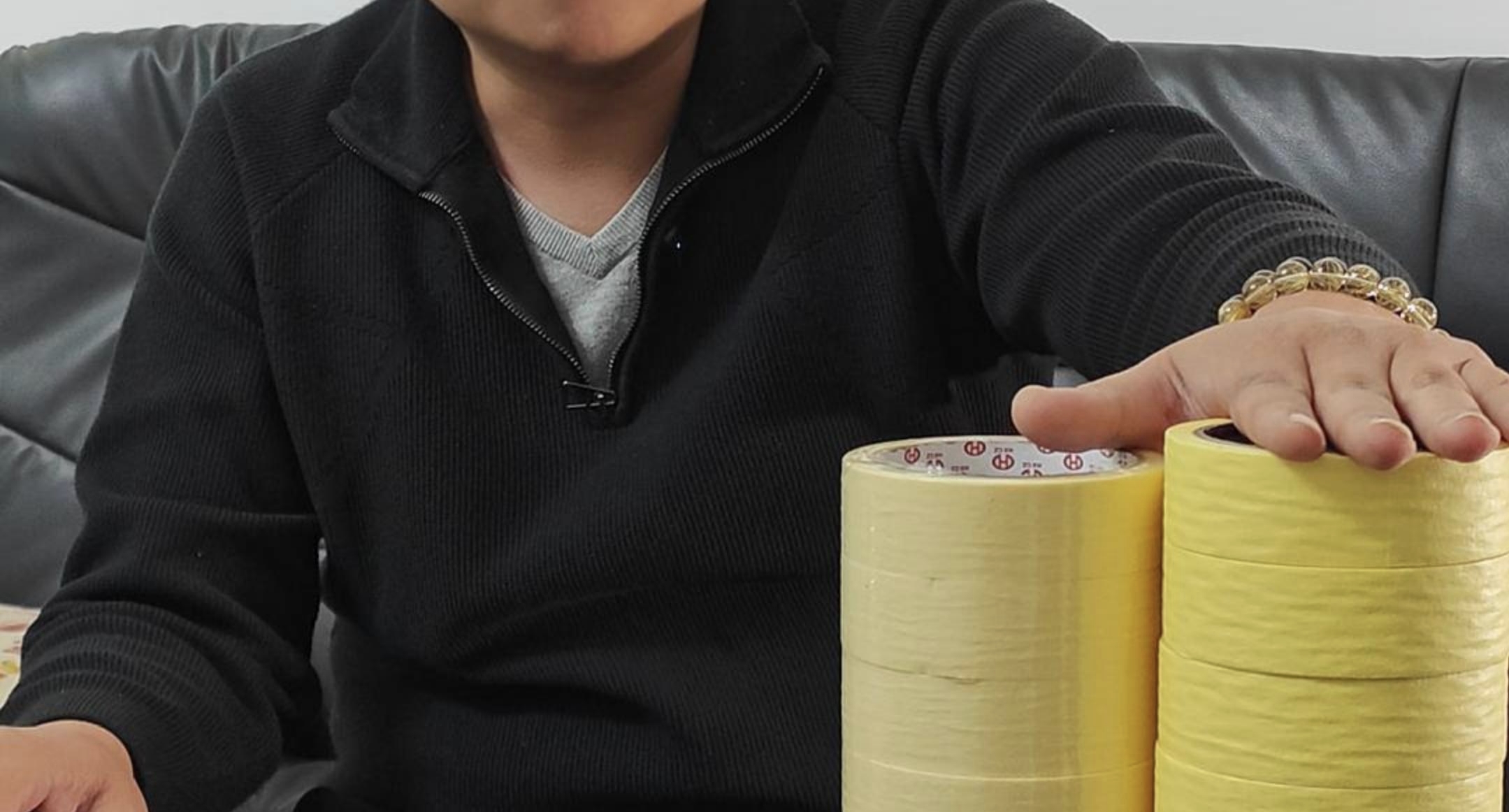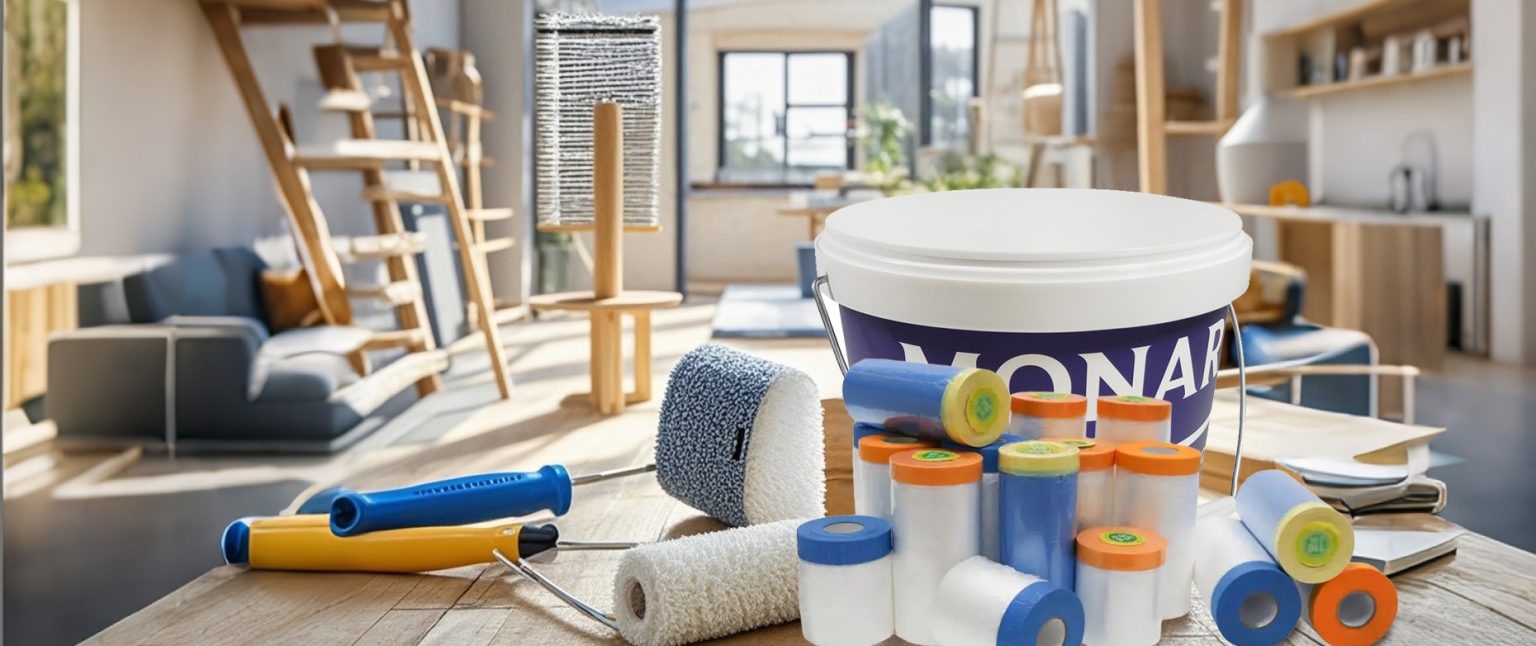
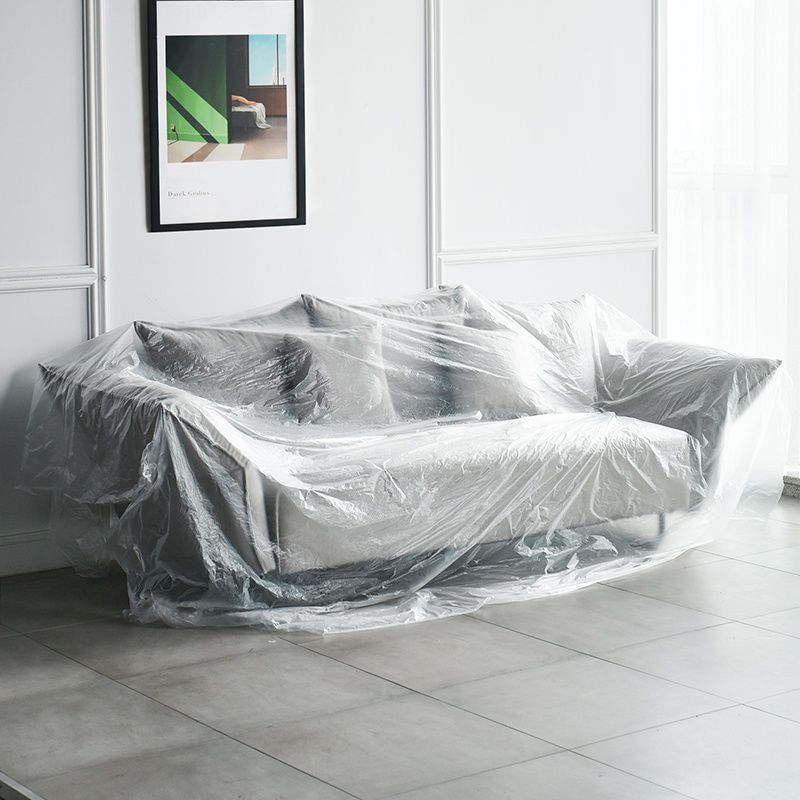
Dust, paint mist, and renovation debris can ruin furniture, floors, glass, and even car interiors in minutes. A simple dustproof film (also known as masking/protective film) creates a clean barrier that saves time on cleanup and prevents costly rework—especially for contractors, decorators, and distributors serving multiple job sites.
In this guide, you’ll learn how dustproof films are used in real-life scenarios, how to select the right film for your application, and how to apply it efficiently for professional-looking results.
Quick Takeaways
- Best for speed: Taped masking film (film + tape edge) for fast coverage and clean removal.
- Best for outdoor jobs: UV-resistant exterior masking film for sun-exposed façades and windows.
- Best for clean lines: Premium masking tape + masking paper for sharp edges and minimal residue.
- Best for efficiency: A film dispenser for quick tearing, neat application, and less waste.
What Is Dustproof Film?
Dustproof film is a thin protective sheet designed to cover surfaces and block dust, paint splatter, overspray, and light scratches. In renovation and painting work, it’s commonly used as masking film—often paired with tape or used with a dispenser for faster application.
Depending on the job, you may need:
- Film with tape edge for quick adhesion and sealing
- Exterior-grade film with stronger hold and UV resistance
- Masking paper + tape for crisp paint lines and edge protection
9 Practical Uses of Dustproof Film in Daily Life & Job Sites
1) Interior Painting & DIY Projects
Cover furniture, window sills, door frames, and baseboards to prevent paint mist and dust buildup. Taped masking film is especially useful when you need fast coverage with minimal adjustments.
2) Renovation Dust Control
During sanding, drilling, or refurbishment, film helps shield wall sockets, light fixtures, shelves, and décor from fine dust and debris.
3) Floor & Stair Protection During Moving
Use film to protect floors from shoe marks, scuffs, and moving carts. For higher traffic areas, pair film with a stronger cloth/windproof tape for better edge hold.
4) Window & Glass Surface Protection
Prevent scratches and keep glass clean during construction. Film is also helpful when you need temporary sealing for dusty areas.
5) Kitchen & Appliance Covering
Cover appliances and cabinets to keep them clean during repainting or light renovation—especially in small spaces where dust travels easily.
6) Car Interior Protection
Protect dashboards, seats, door panels, and trims from dust, sun exposure, and minor scratches during detailing or transport.
7) Warehouse Storage & Pallet Shielding
Film can help reduce dust contamination for boxed goods, materials, and semi-finished products stored short-term.
8) Temporary Weather & Wind Barrier (Short-Term)
For short-term coverage needs—such as guarding a surface before a final finish—choose exterior-grade film for more stable holding power.
9) Fast Surface Masking for Multi-Area Jobs
When multiple rooms or zones need coverage, a dispenser improves speed and consistency—especially for teams handling repeated tasks across projects.
How to Choose the Right Dustproof Film (Buyer’s Checklist)
- Application area: furniture, glass, wall, floor, car interior, or outdoor façade
- Adhesion level: low tack for delicate surfaces; stronger hold for exterior/windy conditions
- UV resistance: essential for outdoor masking to avoid early failure under sunlight
- Temperature tolerance: consider high-temp options for spray jobs or heat exposure
- Width & length: choose roll sizes that match typical job dimensions to reduce joints
- Efficiency tools: dispenser-compatible rolls reduce waste and speed up installation
Pro Application Tips (Cleaner Results, Faster Removal)
- Clean & dry the surface before applying. Dust reduces adhesion and can trap particles underneath.
- Start from the top edge and smooth downward to reduce wrinkles and bubbles.
- Seal corners and edges with proper tape pressure—this is where dust sneaks in first.
- Use a dispenser for consistent tearing and straight application lines.
- Remove slowly after the job, peeling back at a low angle to minimize residue risk.
Recommended Solutions from HX CZ (Masking Materials Portfolio)
If you supply distributors, contractors, or renovation teams, it’s important to cover different job types with a complete masking system. A typical portfolio includes:
- Washi Masking Film – for clean indoor protection and easy removal
- Exterior Wall Masking Film – UV-resistant for outdoor and sun-exposed surfaces
- Masking Paper + Washi Tape – for sharp paint lines and edge protection
- Imported Washi Tape – stable adhesion and clean edges for premium finishing
- Premium Masking Tape – consistent peel, strong edge sealing, reduced residue risk
- Cloth / Windproof Tape – for floor protection and demanding job sites
- Fiberglass Mesh Tape Series – for surface reinforcement and repair-related applications
(Tip: You can add a “Product Links” block here and link each bullet to the corresponding product category page in your site.)
FAQ
Is taped masking film better than regular plastic sheeting?
For most renovation and painting tasks, taped masking film is faster because the tape edge helps you position, seal, and remove the film with fewer steps.
Do I need UV-resistant film for outdoor masking?
Yes. UV exposure can weaken typical films and adhesives. Exterior-grade UV-resistant film is recommended for façades, outdoor windows, and sun-exposed areas.
How do I avoid residue when removing the film?
Use the right tack level for the surface, avoid leaving film on longer than necessary, and remove slowly at a low angle.
Need Bulk Supply or OEM Options?
We support distributors, wholesalers, and project buyers with stable production, multiple roll sizes, and OEM packaging options. Send your application details (surface type, usage environment, roll size, and expected order volume) and our team will recommend the most suitable masking materials.
Contact us via WhatsApp or Email to get a fast quotation and product recommendation.